

Overview
What automotive website development looks like in practice
Automotive website development should make inventory or service menus easy to scan, then push a visit or booking. I focus on mobile performance, trust cues, and CRM-ready leads for sales and service desks.
In addition, paid and local channels often matter: see PPC advertising, local SEO, and UI/UX design.
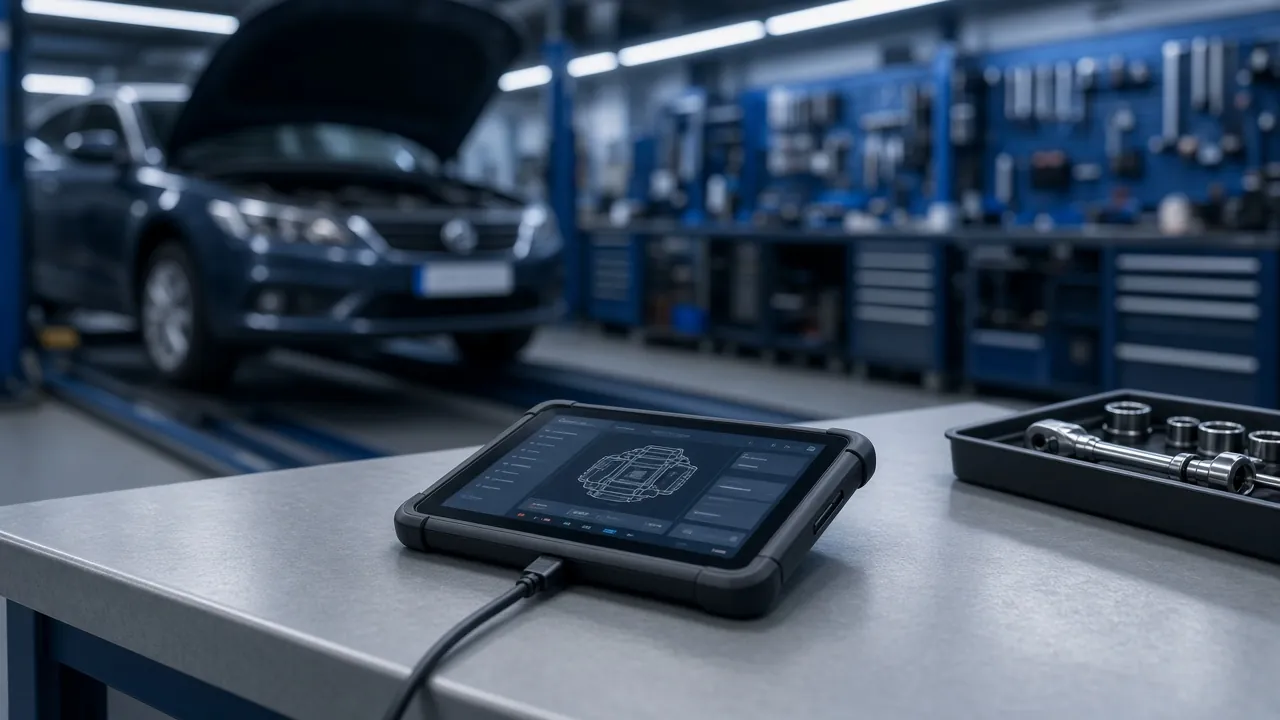
Fit
Who this industry page is built for
Dealership groups
Teams needing shared templates and lead routing.
Independent dealers
Lots that need faster, clearer storefronts.
Service & body shops
Operators converting searchers into bay appointments.
Aftermarket brands
Companies selling parts or accessories online.
Why this practice exists
The gaps Automotive closes
If any of these sound familiar, an industry-focused engagement is usually a strong fit.
Hard-to-browse inventory
Filters and pages that fight shoppers.
Service booking friction
Customers call because online scheduling is unclear.
Campaign spend without attribution
Ads run but visit quality is a mystery.
Inconsistent brand across locations
Multi-rooftop dealers look disconnected online.
Outcomes
Benefits you should feel after shipping
Clearer vehicle/service discovery
Shoppers find the right next step.
More booked visits
Forms and calls structured for sales and service.
Better campaign ROI
Landing pages and tracking tied to outcomes.
Consistent multi-location UX
Shared systems with local detail.
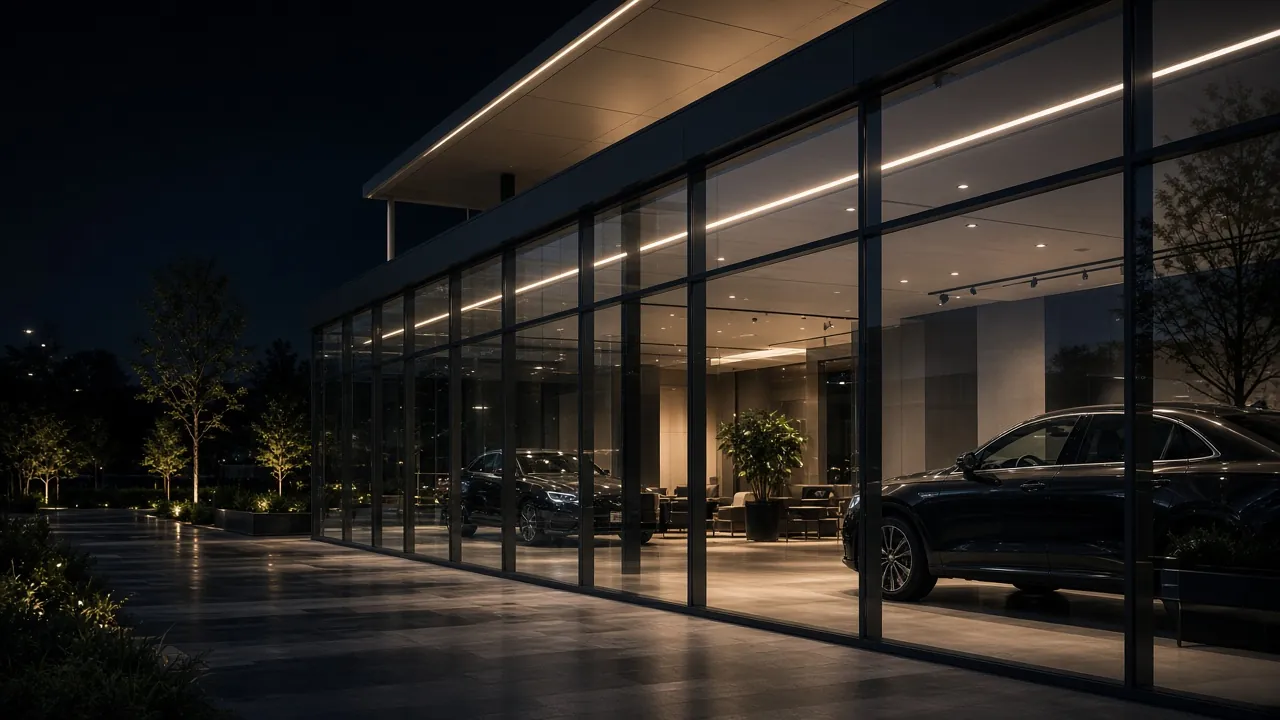
In the field
Automotive digital work that feels premium
Clear pages, calm process, and measurable inquiries — built for operators who care how the brand shows up.
How I help
The work I actually do
Storefront IA
Inventory, finance, and service journeys.
Booking & lead systems
Appointments and CRM hooks.
Performance UX
Fast pages that feel premium on mobile.
Demand channels
SEO, PPC, and landing alignment.
Outputs
What you walk away with
Concrete deliverables you can review, approve, and put to work — not a vague “strategy deck” that dies in a folder.
- Dealer or service site
- Lead & booking flows
- Landing page set
- Tracking plan
- Training notes
Process
How the engagement moves
Map sales vs service journeys
Different intents need different pages.
Build conversion surfaces
VDP/service templates and CTAs.
Connect desk tools
CRM, DMS, or scheduling where available.
Optimize with visit data
Improve what drives showroom/bay traffic.
FAQ
Questions teams ask about automotive website development
Straight answers before you book a call — so scope, timeline, and fit are clear.
Can you integrate inventory feeds?
Often yes, depending on your DMS/feed provider and access.
Do you build service appointment flows?
Yes — forms or scheduling embeds matched to how your desk works.
Can one design system cover multiple rooftops?
Yes, with location pages and shared components.
Resources
Related industries & trusted references
Explore more on this site
Authoritative external guides
Ready to talk about automotive digital systems? Share a short brief and I will return with scope, timeline, and a practical first release.
Keep exploring
Related industries
Ready to improve your automotive digital presence?
Share goals, constraints, and timeline — I will reply with a practical plan.